

 Wildlife Tours
Going on a wildlife tour ranks among the most remarkable things you can do as a traveller, whether you’re watching lions move through tall grass, drifting alongside sea turtles in warm water, or pushing through a thick rainforest canopy. But nature doesn’t operate on a schedule, and no two encounters are the same. Knowing some basic wildlife tour safety tips before you leave home can be what separates a story you tell for the rest of your life from one you’d rather forget. At SkyTrakTravel, we think every traveller should feel both prepared and free to enjoy what’s out there.
Why Safety Matters on a Wildlife Tour
Wildlife tours put you in real proximity to animals living wild. There are no barriers, no handlers, no cues. Animals get territorial, they protect their young, and sometimes they’re simply caught off guard. Good tour operators pour real effort into safety planning but a traveler who knows what’s coming is always better off than one who doesn’t. These wildlife tour safety tips hold whether you’ve never left the city or you’ve got a dozen expeditions behind you.
“The safest wildlife encounter is one where the animal never notices you were there.” — SkytrkTravel guide philosophy
Before You Go, Preparation Is Everything
All good wildlife tour safety tips start long before you board a plane. Begin by finding an operator you can actually trust one with certified guides, a solid safety record, and ideally some affiliation with a recognised conservation or tourism body.
Research your destination. Look into which animals live in the area and which ones genuinely pose a risk. Go through recent traveller reviews with an eye on how safety is handled day to day.
Get vaccinations & meds. Parts of Africa and Southeast Asia may call for malaria prevention, yellow fever vaccination, or rabies shots. Give your doctor a call at least six to eight weeks out so there’s time to get sorted.
Pack smart. Stick to muted, neutral tones in your clothing. Solid closed-toe shoes matter more than you’d think. Bring insect repellent, sunscreen, and a basic first-aid kit. Leave the bright colours and heavy cologne or perfume at home both can draw insects.
Buy travel insurance. Make sure whatever policy you choose actually covers wildlife-related medical situations, emergency evacuation, and cancellations when you’re somewhere remote.
On the Tour: Rules That Keep You Safe
When you’re out in the field, behaviour is everything. Your guide will walk through a safety briefing before you head out take it seriously and follow every instruction. These rules exist for good reason, and ignoring them puts you and the animals at risk.
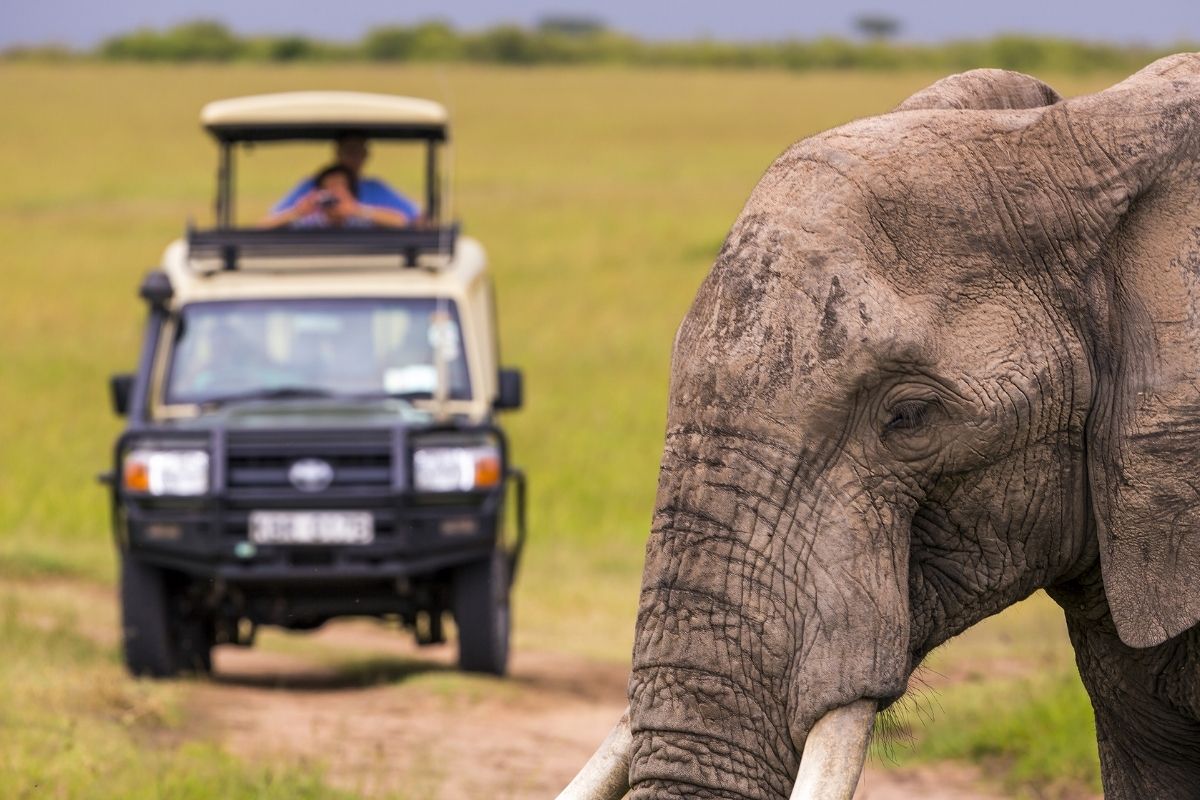
Maintain safe distances. Different animals call for different buffer zones. With large mammals like elephants or bison, that can be a hundred meters or more. Getting too close stresses the animal and can trigger a defensive response. A calm-looking animal is not necessarily a relaxed one.
Never feed wildlife. It throws off natural behaviour, can create dependency on humans, and puts you at real risk of a bite or scratch. Even something as small as a monkey can do surprising damage.
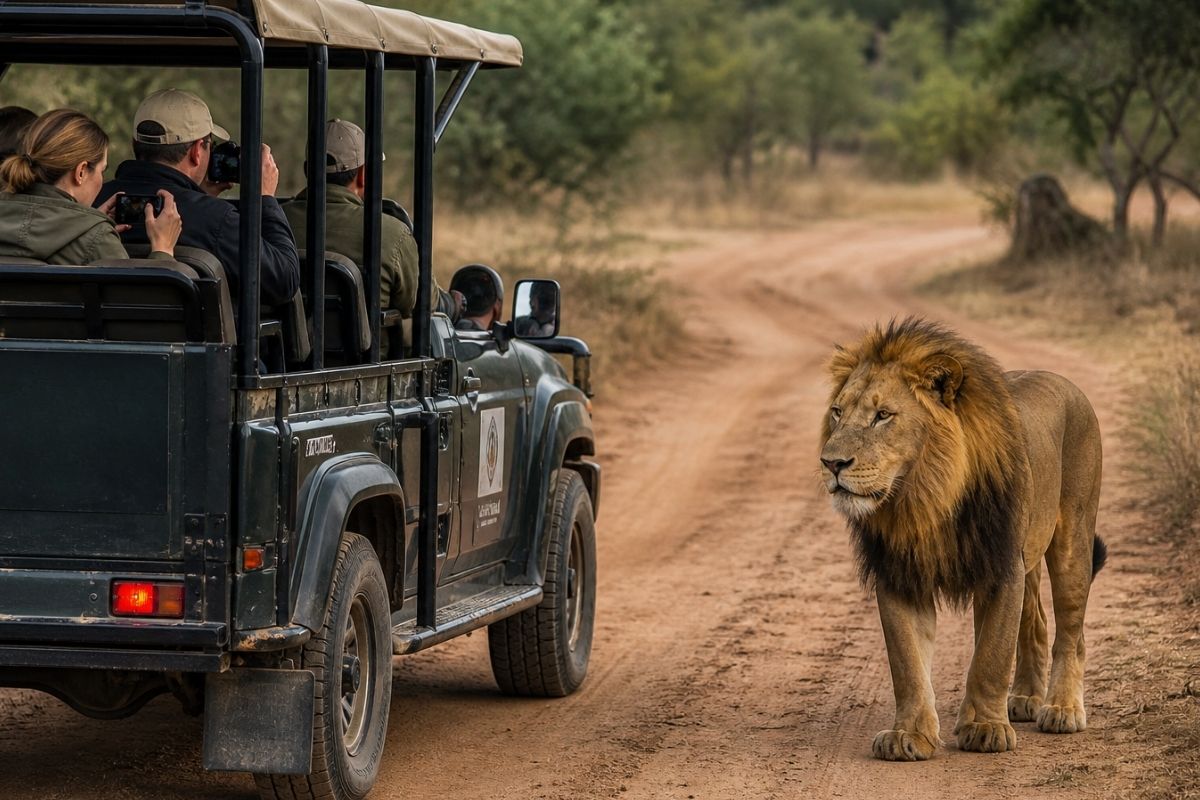
Stay in the vehicle or designated zones. On a safari, your vehicle is your protection. Don’t stand up, lean out of windows, or step outside unless your guide says it’s safe. On foot, stay in a single-file line and mirror your guide’s movements exactly.
Be silent and still during sightings. A sudden noise or sharp movement can cause an animal to charge or bolt. Lower your voice, slow your movements, and hold off on flash photography unless you’ve been told it’s fine.
Also Read – Benefits of Booking with a Trusted Travel Agency
Common Risks and How to Handle Them
Even the most carefully run tours carry some level of risk. Knowing how to react calmly matters just as much as anything else and it’s central to real wildlife tour safety tips, what to expect, and preparation. The team at SkyTrakTravel suggests running through these four risk areas before any trip:
Insects & bites: Use a DEET-based repellent. In dense bush, tuck your trousers legs into your socks and check for ticks after every walk. Keep antihistamines on hand in case of an allergic reaction.
Heat & dehydration. Aim for two to three litres of water a day in hot conditions. Wear a wide-brimmed hat, use SPF 50 or above, and try to keep anything strenuous for the cooler early morning or late afternoon hours.
Snake encounters: If you come across a snake, stop moving and back away carefully. Don’t try to touch or catch it. Tell your guide immediately, keeping your voice low. Most bites happen to people who make the mistake of engaging.
Water hazards: On any water-based tour, wear a life jacket and pay attention to the guide’s briefing. Know which currents, jellyfish, or other marine life might be in the area.
Safety Begins with Respecting Wildlife
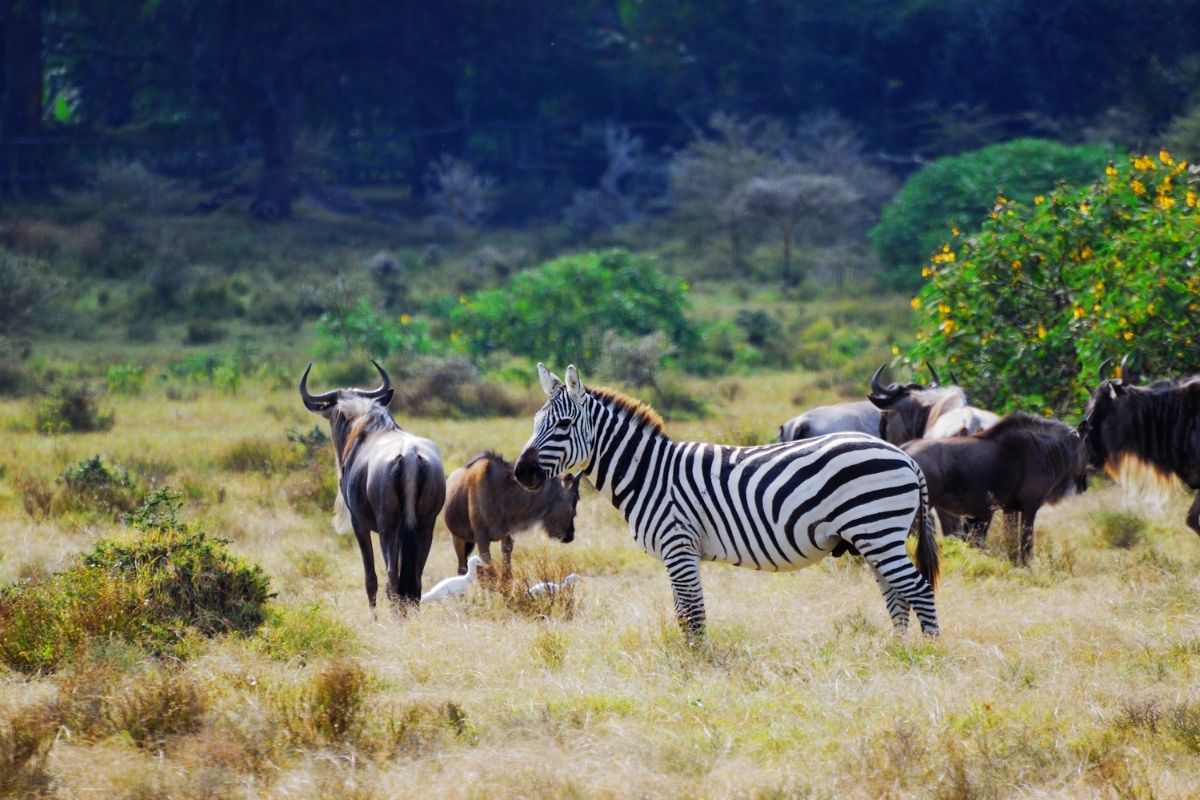
Safety and responsible behaviour are deeply connected on wildlife tours. How you act protects you, but it also protects the animals and the places they live. Be wary of any tour that offers direct contact with wild animals riding elephants, posing with big cats, or swimming with captive dolphins are all widely regarded as harmful to animal welfare and carry genuine injury risk for visitors.
Look for operators who genuinely limit their impact, keep group sizes small, and put money back into local conservation work. Wildlife tourism done right doesn’t just feel more authentic it means future travellers actually get to have these experiences too.
Also Read – Top 10 Luxury Holiday Destinations for 2026
What to Expect: A Day-by-Day Mindset
These wildlife tour safety tips only do their job if you keep them in mind throughout your trip, not just at the start. It’s surprisingly easy to get comfortable and start cutting corners, especially on a longer expedition. Each morning, run through your checklist: check your kit, reapply sunscreen and repellent, go over the day’s plans with your guide, and stay switched on to what’s around you.
Wildlife tours are hard to beat as travel experiences. With decent preparation and genuine respect for how nature works, you’re set up for something worth remembering.
FAQs
1. What are the most important wildlife tour safety tips for first-time visitors?
For anyone doing this for the first time, the core things are: follow your guide’s instructions without question, keep the recommended distance from animals, never offer food to wildlife, stay within the zones you’ve been assigned, and wear neutral, unscented clothing. Doing your homework before you leave vaccinations, insurance, understanding local hazards matters just as much as anything you do on the ground.
2. How close can you safely get to wildlife on a safari?
It varies by animal and location. With elephants, lions, and hippos, most operators set a minimum of thirty to a hundred meters. Your guide will tell you what’s appropriate for each animal. Never push for a closer shot your guide’s word always comes first.
3. Is travel insurance necessary for a wildlife tour?
Without question. These tours often happen far from hospitals, and evacuation can be extremely expensive. You want a policy that covers emergency medical care, wildlife-related injuries, and evacuation. Every serious travel safety organisation says the same thing.
4. What should I do if I encounter a dangerous animal unexpectedly?
Stay calm and don’t make any sudden moves. Running is the worst thing you can do it activates the chase instinct in predators. Back away slowly, keep your eyes on the animal, and alert your guide with a quiet, steady voice. In most cases, an animal isn’t looking for a confrontation unless it feels cornered or threatened.
5. How do I choose a safe and ethical wildlife tour operator?
Look for certification from bodies like the International Ecotourism Society or a national tourism board. Qualified guides, capped group sizes, and a clear minimum-impact policy are good signs. Transparency about conservation contributions matters too. Focus your review reading on what people say about guide knowledge and how safety was managed in the field.

